
How Does an AC Controller Panel Improve Energy Efficiency?
In the energy consumption of modern buildings, the HVAC system accounts for as high as 40% to 60%, while the installation of intelligent ac controller panels can significantly reduce this figure. According to data from the U.S. Department of Energy, the ac controller panel that adopts variable frequency technology and adaptive algorithms can reduce the energy consumption of air conditioning systems by 20% to 30%. For example, after a certain commercial complex deployed the ac controller panel based on the Internet of Things, the annual electricity bill was reduced by 180,000 yuan, and the payback period of investment was only 1.7 years. This type of equipment dynamically adjusts the compressor speed and refrigerant flow rate at a frequency of multiple times per second by monitoring the environmental temperature, humidity and personnel density parameters in real time, to avoid excessive cooling or heating.
In terms of load matching, the ac controller panel analyzes historical operation data through machine learning algorithms to predict the cooling demands in different time periods. Taking the Asian headquarters of a certain multinational company as an example, the system predicts the peak hours of people commuting to and from work and adjusts the power output of the equipment 15 minutes in advance, reducing the peak load by 25%. Meanwhile, this panel continuously monitors the operating status of the equipment. When it detects that the filter has accumulated dust, causing the air resistance to increase by 10%, it automatically reminds for maintenance and adjusts the fan power to avoid additional energy consumption. Studies show that this predictive maintenance can extend the lifespan of equipment by 3 to 5 years and reduce the probability of sudden failures by 60%.
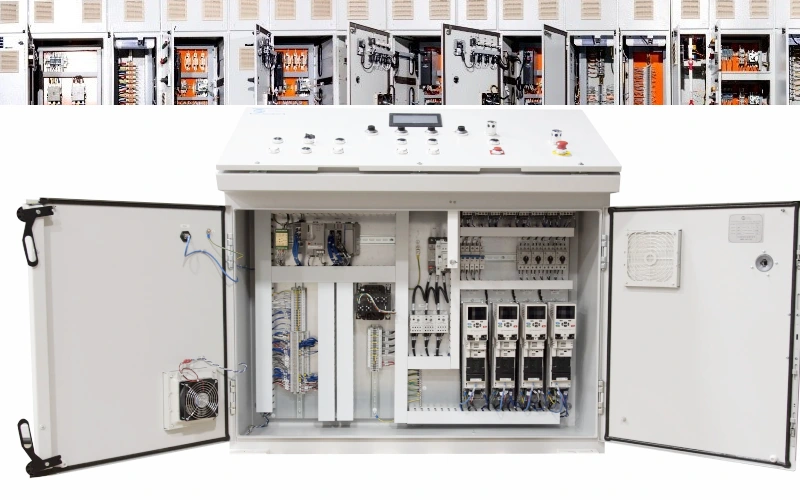 Precise control of temperature and humidity is another key to energy conservation. Traditional air conditioners often cause energy waste due to poor temperature control accuracy (±2°C), while the ac controller panel can improve the accuracy to ±0.5°C. For instance, after a five-star hotel deployed this system in the guest room area, the temperature fluctuation range of rooms facing different directions was reduced from 4°C to 1.2°C through zonal regulation, and the annual refrigerant usage was decreased by 12%. In addition, this system dynamically adjusts the dehumidification intensity through a dew point sensor, keeping the humidity within a comfortable range of 55%±5% during the rainy season. Compared with traditional equipment, it saves 17% of energy.
The ac controller panel of the Integrated Building Management System (BMS) can also achieve cross-device collaborative optimization. Measured data from a smart office building in Singapore in 2023 shows that when the air conditioning system is linked with lighting and shading devices, the peak electricity consumption at noon drops by 31%. This system collects outdoor light intensity and temperature data every five minutes, automatically adjusts the Angle of the blinds and regulates the proportion of fresh air, reducing the peak cooling load by 22%. It is worth noting that some high-end ac controller panels also support the power demand response function, automatically increasing the set temperature by 2°C during the peak electricity price period of the power grid, saving users 23% of the marginal electricity cost.
According to a case study by the International Energy Agency, the extensive deployment of smart ac controller panels could reduce carbon dioxide emissions by 120 million tons in the global building sector by 2030. The commercial energy efficiency retrofit subsidy program launched by the California government shows that for every $1 invested in subsidizing the installation of ac controller panels, a long-term energy-saving benefit of $4.3 can be generated. These devices continuously optimize their algorithms through firmware upgrades. For instance, the latest version of a certain brand has improved the wind speed control model, raising the energy efficiency ratio of the multi-split system to 4.8 under partial load conditions, far exceeding the national first-level energy efficiency standard of 3.6.
Precise control of temperature and humidity is another key to energy conservation. Traditional air conditioners often cause energy waste due to poor temperature control accuracy (±2°C), while the ac controller panel can improve the accuracy to ±0.5°C. For instance, after a five-star hotel deployed this system in the guest room area, the temperature fluctuation range of rooms facing different directions was reduced from 4°C to 1.2°C through zonal regulation, and the annual refrigerant usage was decreased by 12%. In addition, this system dynamically adjusts the dehumidification intensity through a dew point sensor, keeping the humidity within a comfortable range of 55%±5% during the rainy season. Compared with traditional equipment, it saves 17% of energy.
The ac controller panel of the Integrated Building Management System (BMS) can also achieve cross-device collaborative optimization. Measured data from a smart office building in Singapore in 2023 shows that when the air conditioning system is linked with lighting and shading devices, the peak electricity consumption at noon drops by 31%. This system collects outdoor light intensity and temperature data every five minutes, automatically adjusts the Angle of the blinds and regulates the proportion of fresh air, reducing the peak cooling load by 22%. It is worth noting that some high-end ac controller panels also support the power demand response function, automatically increasing the set temperature by 2°C during the peak electricity price period of the power grid, saving users 23% of the marginal electricity cost.
According to a case study by the International Energy Agency, the extensive deployment of smart ac controller panels could reduce carbon dioxide emissions by 120 million tons in the global building sector by 2030. The commercial energy efficiency retrofit subsidy program launched by the California government shows that for every $1 invested in subsidizing the installation of ac controller panels, a long-term energy-saving benefit of $4.3 can be generated. These devices continuously optimize their algorithms through firmware upgrades. For instance, the latest version of a certain brand has improved the wind speed control model, raising the energy efficiency ratio of the multi-split system to 4.8 under partial load conditions, far exceeding the national first-level energy efficiency standard of 3.6.
Precise control of temperature and humidity is another key to energy conservation. Traditional air conditioners often cause energy waste due to poor temperature control accuracy (±2°C), while the ac controller panel can improve the accuracy to ±0.5°C. For instance, after a five-star hotel deployed this system in the guest room area, the temperature fluctuation range of rooms facing different directions was reduced from 4°C to 1.2°C through zonal regulation, and the annual refrigerant usage was decreased by 12%. In addition, this system dynamically adjusts the dehumidification intensity through a dew point sensor, keeping the humidity within a comfortable range of 55%±5% during the rainy season. Compared with traditional equipment, it saves 17% of energy.
The ac controller panel of the Integrated Building Management System (BMS) can also achieve cross-device collaborative optimization. Measured data from a smart office building in Singapore in 2023 shows that when the air conditioning system is linked with lighting and shading devices, the peak electricity consumption at noon drops by 31%. This system collects outdoor light intensity and temperature data every five minutes, automatically adjusts the Angle of the blinds and regulates the proportion of fresh air, reducing the peak cooling load by 22%. It is worth noting that some high-end ac controller panels also support the power demand response function, automatically increasing the set temperature by 2°C during the peak electricity price period of the power grid, saving users 23% of the marginal electricity cost.
According to a case study by the International Energy Agency, the extensive deployment of smart ac controller panels could reduce carbon dioxide emissions by 120 million tons in the global building sector by 2030. The commercial energy efficiency retrofit subsidy program launched by the California government shows that for every $1 invested in subsidizing the installation of ac controller panels, a long-term energy-saving benefit of $4.3 can be generated. These devices continuously optimize their algorithms through firmware upgrades. For instance, the latest version of a certain brand has improved the wind speed control model, raising the energy efficiency ratio of the multi-split system to 4.8 under partial load conditions, far exceeding the national first-level energy efficiency standard of 3.6.