
Is MXene the Next Breakthrough Material in Advanced Electronics?
In the race to pursue the ultimate performance of electronic devices, MXene is blazing a new trail with its astonishing conductivity. The electrical conductivity of this two-dimensional material is as high as 20,000 S/cm, far exceeding that of graphene at approximately 5,000 S/cm, giving it an overwhelming advantage in miniaturized circuits. In 2023, a research team from Drexel University in the United States fabricated transparent electrodes with a thickness of only a few nanometers using MXene. The visible light transmittance exceeded 95%, and the block resistance was less than 50 ohms per square. The performance parameters were comprehensively superior to those of traditional indium tin oxide (ITO) materials. When the bending radius of the flexible display screen is required to be less than 1 millimeter, the conductivity degradation rate of the MXene electrode is less than 2% after 100,000 bending tests, while the failure rate of traditional materials usually exceeds 30% after 5,000 cycles. This reliability has brought a revolutionary breakthrough to foldable phones and wearable devices, potentially extending the product life cycle from the current three years to over five years.
In the field of energy storage, MXene has demonstrated the potential to change the game. Its specific surface area can reach 1500 m²/g, providing a high-speed migration channel for lithium ions. Experimental data shows that lithium-ion batteries based on MXene composite anodes have a charging rate 10 times faster than traditional graphite anodes. They can be charged to 80% within 6 minutes, and their energy density exceeds 500 Wh/kg, which is more than twice that of the current mainstream batteries at 200-250 Wh/kg. In its 2024 report, the Samsung Advanced Technology Research Institute pointed out that solid-state batteries regulated by MXene have a cycle life of over 5,000 times and a capacity retention rate of more than 85%, far exceeding the industry standard of 2,000 times. This directly addresses the range anxiety and battery degradation issues of electric vehicles, much like transplanting the refueling efficiency of fuel vehicles to the electric mobility sector, reducing the charging time from one hour to the ten-minute level.
 When we turn our attention to high-frequency communication and electromagnetic shielding, the performance of MXene is equally astonishing. Due to its unique layered structure and surface chemical properties, MXene films exhibit 99.999% electromagnetic interference shielding efficiency in the millimeter-wave frequency band of 18-40 GHz, while their thickness is only at the micrometer level. Compared with traditional metal shielding materials, its weight has been reduced by 50% and its thickness by 80%. In 5G base stations and 6G forward-looking technologies, this material can reduce signal transmission loss by 3 decibels, which is equivalent to expanding the coverage radius of base stations by 20% and significantly lowering the network deployment costs for operators by 30%. In 2023, Huawei's laboratory publicly released test results showing that the antenna module coated with MXene had a 15% increase in radiation efficiency and a 2 percentage point improvement in error vector magnitude (EVM) at the 28GHz frequency point. This laid a material foundation for the future transmission rate target of 1 terabit per second (1 Tbps).
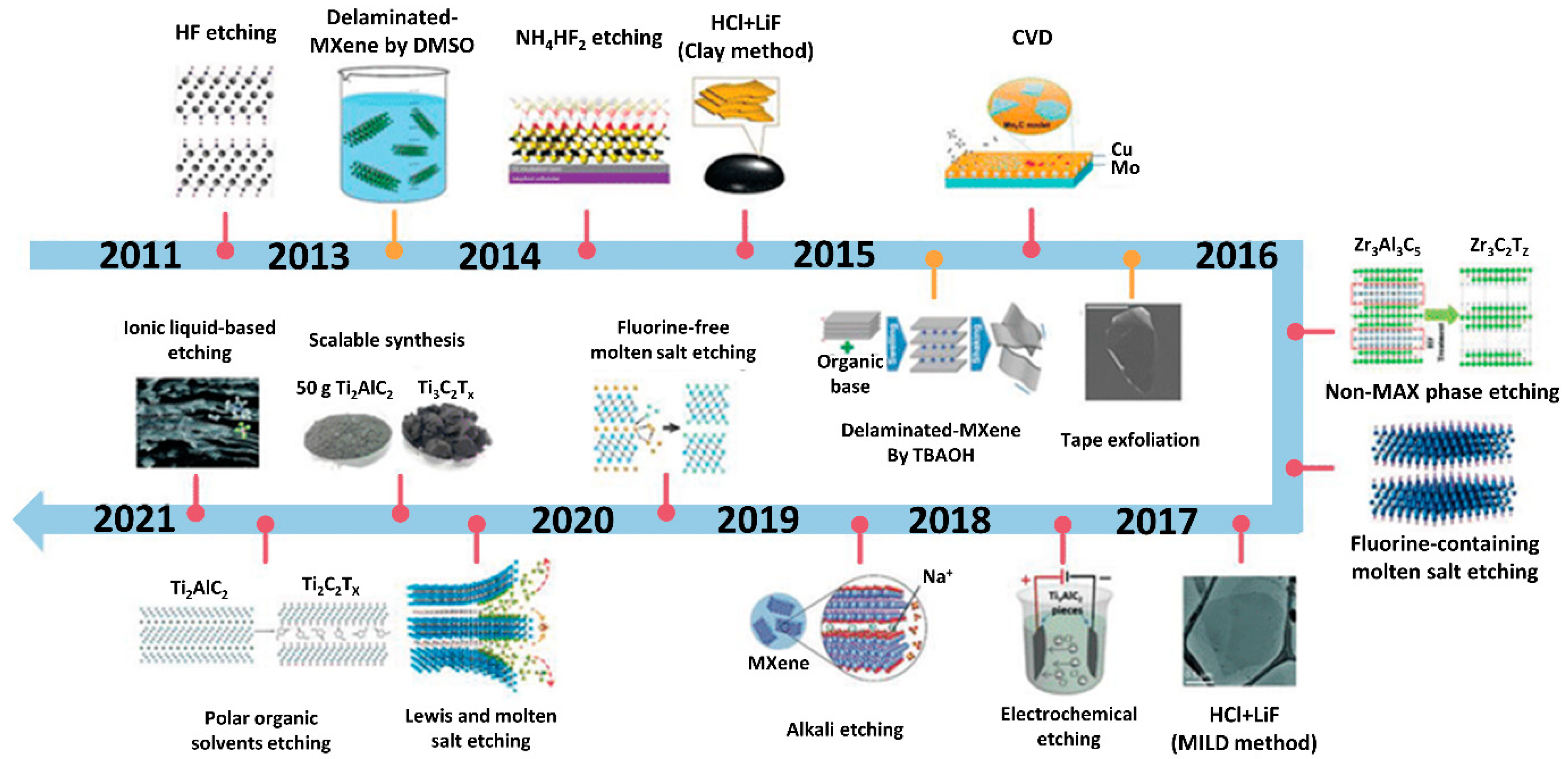
Although the commercial application of MXene is still in its early stages, its growth curve is extremely steep. The global MXene market size was approximately 50 million US dollars in 2020 and is expected to expand at a compound annual growth rate of 65%, exceeding 2 billion US dollars by 2028. The main factor currently restricting its large-scale application is the preparation cost. The price of high-quality MXene is approximately $100 per gram, which is twice the price of gold. However, leading enterprises such as Showa Denko of Japan have developed new etching processes, with the goal of reducing costs to less than $10 per gram within three years. Just as the semiconductor industry follows Moore's Law, the research and development of MXene is iterating at a rate of doubling its performance parameters every 18 months. From nanosensors to neuromorphic computing chips, this material revolution led by MXene is redefining the performance limits of electronic devices.
When we turn our attention to high-frequency communication and electromagnetic shielding, the performance of MXene is equally astonishing. Due to its unique layered structure and surface chemical properties, MXene films exhibit 99.999% electromagnetic interference shielding efficiency in the millimeter-wave frequency band of 18-40 GHz, while their thickness is only at the micrometer level. Compared with traditional metal shielding materials, its weight has been reduced by 50% and its thickness by 80%. In 5G base stations and 6G forward-looking technologies, this material can reduce signal transmission loss by 3 decibels, which is equivalent to expanding the coverage radius of base stations by 20% and significantly lowering the network deployment costs for operators by 30%. In 2023, Huawei's laboratory publicly released test results showing that the antenna module coated with MXene had a 15% increase in radiation efficiency and a 2 percentage point improvement in error vector magnitude (EVM) at the 28GHz frequency point. This laid a material foundation for the future transmission rate target of 1 terabit per second (1 Tbps).
Although the commercial application of MXene is still in its early stages, its growth curve is extremely steep. The global MXene market size was approximately 50 million US dollars in 2020 and is expected to expand at a compound annual growth rate of 65%, exceeding 2 billion US dollars by 2028. The main factor currently restricting its large-scale application is the preparation cost. The price of high-quality MXene is approximately $100 per gram, which is twice the price of gold. However, leading enterprises such as Showa Denko of Japan have developed new etching processes, with the goal of reducing costs to less than $10 per gram within three years. Just as the semiconductor industry follows Moore's Law, the research and development of MXene is iterating at a rate of doubling its performance parameters every 18 months. From nanosensors to neuromorphic computing chips, this material revolution led by MXene is redefining the performance limits of electronic devices.
When we turn our attention to high-frequency communication and electromagnetic shielding, the performance of MXene is equally astonishing. Due to its unique layered structure and surface chemical properties, MXene films exhibit 99.999% electromagnetic interference shielding efficiency in the millimeter-wave frequency band of 18-40 GHz, while their thickness is only at the micrometer level. Compared with traditional metal shielding materials, its weight has been reduced by 50% and its thickness by 80%. In 5G base stations and 6G forward-looking technologies, this material can reduce signal transmission loss by 3 decibels, which is equivalent to expanding the coverage radius of base stations by 20% and significantly lowering the network deployment costs for operators by 30%. In 2023, Huawei's laboratory publicly released test results showing that the antenna module coated with MXene had a 15% increase in radiation efficiency and a 2 percentage point improvement in error vector magnitude (EVM) at the 28GHz frequency point. This laid a material foundation for the future transmission rate target of 1 terabit per second (1 Tbps).
Although the commercial application of MXene is still in its early stages, its growth curve is extremely steep. The global MXene market size was approximately 50 million US dollars in 2020 and is expected to expand at a compound annual growth rate of 65%, exceeding 2 billion US dollars by 2028. The main factor currently restricting its large-scale application is the preparation cost. The price of high-quality MXene is approximately $100 per gram, which is twice the price of gold. However, leading enterprises such as Showa Denko of Japan have developed new etching processes, with the goal of reducing costs to less than $10 per gram within three years. Just as the semiconductor industry follows Moore's Law, the research and development of MXene is iterating at a rate of doubling its performance parameters every 18 months. From nanosensors to neuromorphic computing chips, this material revolution led by MXene is redefining the performance limits of electronic devices.